
FAQs

Frequently Asked Questions
Get the whole story - read the Know Your Country Policy Paper
- a fresh, large-scale approach to building a more inclusive society by evolving Australia’s education system.
Why is the campaign called Know Your Country?
The campaign’s name "Know Your Country" challenges you to consider: What Country are you on? Is it your Country? and; How well do you know it? More than 250 Countries make up this continent. Each has unique culture and language. Aboriginal and Torres Strait Islander people have lived here and cared for this Country for millennia before the first European settlers arrived. We want non-First Nations people engaging with the campaign to realize that while this land might be their home, they are not the traditional owners. This is Aboriginal and Torres Strait Islander land and sovereignty was never ceded. We all need to learn how to be better custodians of the lands and waters we love by truly connecting to and respecting Country. The best way to start doing this, is in early childhood learning and primary school with the direct guidance of First Nations Cultural Educators approved by local Traditional Custodians.
What is the Know Your Country campaign calling for?
Federal, State and Territory Education Ministers and Shadow Ministers, by their next election, to commit funding for all primary schools to employ locally approved, First Nations Cultural Educators.
Does this campaign have the support of First Nations organisations?
Yes. In fact, a First Nations-led Steering Group is leading the strategic direction of the campaign in accordance with the First Principles of the campaign.
What is the role of a First Nations Cultural Educator?
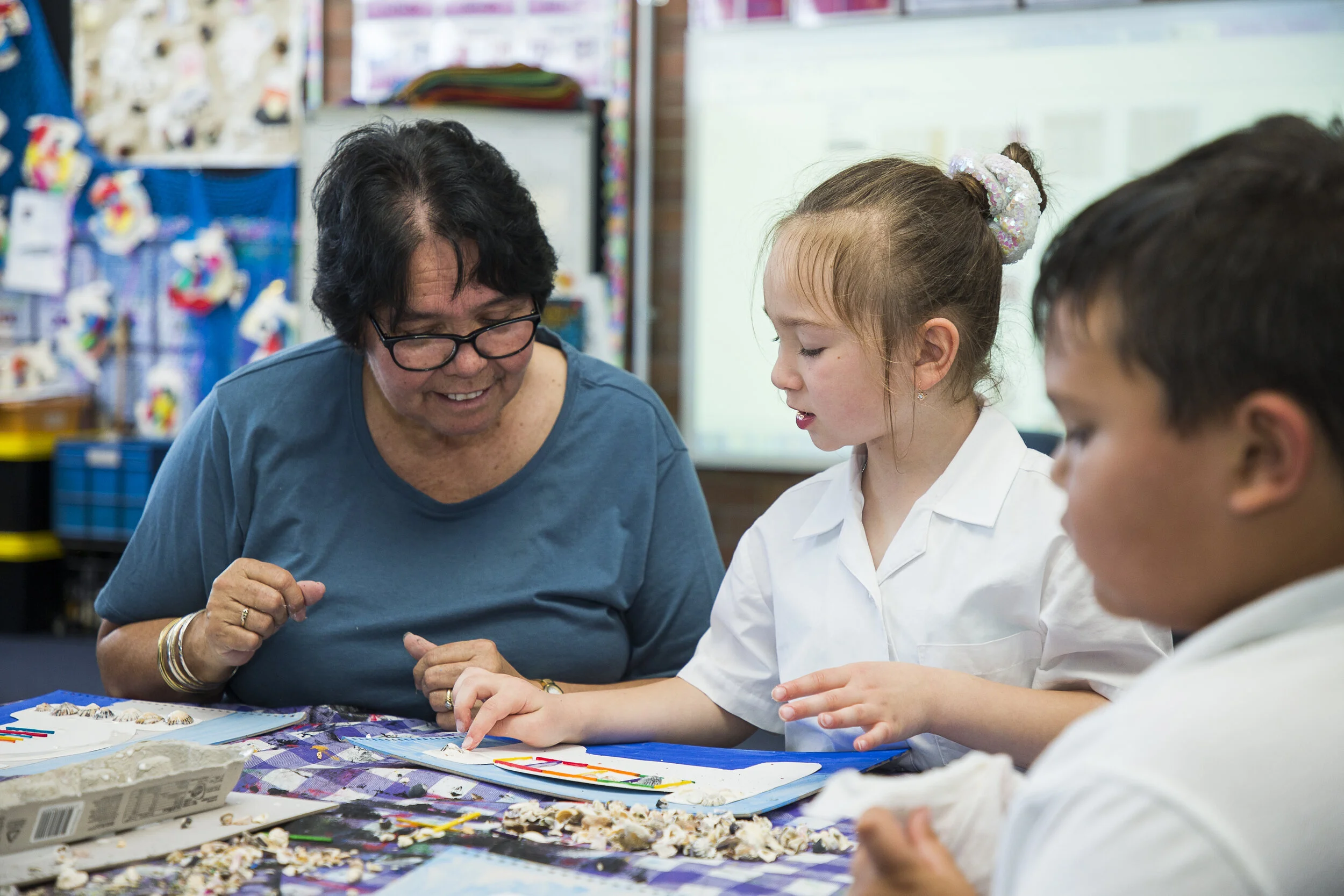
One size doesn’t fit all. The role of a First Nations Cultural Educator must be locally co-designed by the school and First Nations community and could include supporting:
EMBED First Nations knowledge and perspectives across the curriculum.
BUILD in schools and students authentic and meaningful relationships with their local First Nations communities.
GUIDE student and staff learning and development, including coordinating community-based and on-Country learning experiences, cultural awareness and capability training for students and school staff
IMPLEMENT existing school strategies, such as Reconciliation Action Plans.
Importantly there are lots of things that the Cultural Educator role should NOT be. Read our Policy Paper for more details.
Who benefits from having First Nations Cultural Educators in every primary school?
Everyone. This is a campaign for the direct benefit of all primary school students in both the public and private education systems. It is not designed specifically to benefit First Nations students. However, by increasing everyone’s knowledge about First Nations culture and history it is envisioned schools will become safer and more engaging places of learning for First Nations students.
The meaningful connections created and traditional knowledge shared between First Nations Cultural Educators, students and teachers will ripple out across the entire school community. We want everyone to know their country. This will help accelerate other improvements needed in the education system and for truth and reconciliation to be high on governments’ priority lists.
Who decides which First Nations culture is taught at the school?
Local First Nations community groups. They must be engaged by each school’s leadership to determine and agree upon whose traditional lands the school is located. Peak First Nations education groups – such as VAEAI in Victoria and the NSW AECG group – can assist. In other States, there are First Nations peak groups that can guide and connect schools to the right First Nations communities.
Does this mean teachers won’t have to teach First Nations content and perspectives anymore?
No. Teachers’ responsibility to cover this content continues, for several reasons:
Reconciliation is everyone’s responsibility. All teachers are encouraged to take the knowledge gained from the First Nations Cultural Educators and implement it at every opportunity throughout their career.
Having First Nations Cultural Educators in school is an opportunity for all teachers to learn, build their skills and confidence to teach local First Nations content and perspectives to their students. It is NOT an excuse for teachers to stop teaching First Nations content and perspectives themselves.
Teaching First Nations histories, cultures and perspectives are a Professional Standard for all teachers under the AITSL Standard. (Focus Area 2.4: Understand and respect Aboriginal and Torres Strait Islander people to promote reconciliation between Indigenous and non-Indigenous Australians.)
Teaching First Nations histories, cultures and perspectives is part of ACARA’s cross-curriculum priority.
Is the First Nations Cultural Educators ‘support staff’ for First Nations students??
No. The First Nations Cultural Educator role DOES NOT replace the need for First Nations student support staff. They are mentors to assist teachers to embed First Nations content in the curriculum and connect with their local community. They are available to help ALL students know and connect with their local country and the knowledge of its traditional custodians.
Is the First Nations Cultural Educator responsible for making the school culturally safe?
No. Schools should take steps to train and develop the cultural competency of all staff. They should take steps to continually improve how welcoming the school environment is to First Nations people regardless of the enrolled number of identified First Nations students. Every staff member is responsible to ensure the school becomes a culturally safe work environment for First Nations Cultural Educators.
Will an unfair cultural load be placed on First Nations Cultural Educators?
No. There will be many cultural questions that the First Nations Cultural Educators will feel confident, capable and safe to share with school staff and students through the program. This is key to self-determination and common to many First Nations-identified professional positions.
Ensuring that school staff receive cultural humility/responsiveness training before the First Nations Cultural Educators arrives will help ensure an unfair cultural load is not placed on them.
First Nations Cultural Educators can’t be expected to be the repository of all community knowledge and wisdom. The Cultural Educators will need to consult with Elders and other members of their country’s community to address some questions and topics. The roles shouldn’t work in isolation, they should be designed to have regional support staff and networks available to help them.
It is fundamental to these roles that the entire school and education system share the challenge to Know Your Country.
Why isn’t the campaign advocating for First Nations Cultural Educators in high schools?
A priority for the campaign is to protect First Nations Cultural Educators from culturally unsafe work environments. Feedback from a First Nations Cultural Educators program already running in NSW stated that they felt culturally safer in primary schools. It is the ambition of this campaign to eventually have First Nations Cultural Educators in all primary and secondary schools.
Watch this space!
Do First Nations Cultural Educator roles already exist?
Yes. These roles already exist in pockets around the nation. Some children are already benefiting from the gift of ancient wisdom, culture and language being delivered directly by First Nations Cultural Educators. This campaign is about scaling up this best practice and supporting the rights of any First Nations communities who want to represent their own culture in schools, on their own Country. ALL children deserve to learn more about First Nations people and culture.
What is the difference between the Know Your Country and Learn Our Truth campaigns?
We believe the campaigns are both required and are complementary. The National Indigenous Youth Education Coalition launched the Learn Our Truth campaign. Its primary goal is to “work with educators, school leaders and Principals to take a pledge to ensure that Aboriginal and Torres Strait Islander history is embedded in their school”. The campaign is “focused on centring the voices and experiences of young Aboriginal and Torres Strait Islander people in calling for our true history to be learnt in schools”.
Know Your Country is more about the how. It’s a First Nations led, coalition campaign with ally organisations and individuals for all primary students and teachers to learn culture, history and perspectives with the guidance of First Nations community members, employed as Cultural Educators in every school. We are calling on all Australian Parliaments to fund it and for all Australians to get behind the campaign because all Australians stand to gain.
What consultation process led to this campaign?
Dr Scott Winch, formerly the Senior First Nations Policy Advisor at World Vision Australia, met with more than 200 stakeholder groups and individuals in developing the Know Your Country Policy Paper which informs the Know Your Country campaign. Roundtable discussions involving representatives from 40 organisations enabled further policy refinement to land at the final policy paper. Fortnightly Working Group meetings helped ensure the campaign was co-designed between First Nations and non-First Nations people and organisations and a First Nations Advisory Panel led the campaign’s strategic direction.